


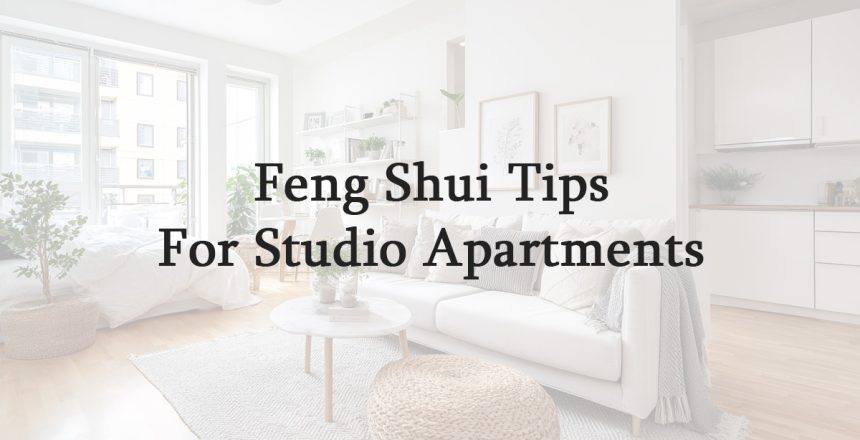
A studio apartment can feel cozy, spacious, cramped, or chaotic depending on how it’s arranged. In feng shui, small spaces carry even more importance because every corner plays a role in the energy of the home. Without walls to break up zones, a studio can easily become a swirl of mixed messages: sleep next to work, dine next to clutter, relax next to your laptop or laundry basket.
Good feng shui doesn’t require a large home – it simply asks for intentionality. When you treat a studio apartment as a collection of meaningful zones rather than one wide-open box, it becomes calmer, more balanced, and far easier to live in. These tips help you create a space that feels grounded, supportive, and genuinely spacious, no matter the square footage.
- Define Zones to Give the Space Structure
- Put Your Bed in the Most Grounded Corner
- Keep the Entryway Clear and Welcoming
- Use Furniture That Supports Flow
- Place Your Desk or Work Area in Command Position
- Keep the Kitchen Area Energetically Contained
- Use Mirrors Intentionally to Expand the Space
- Keep Clutter Under Control, Constantly
- Choose Lighting That Layers the Energy
- The Bottom Line
Define Zones to Give the Space Structure
One of the biggest feng shui challenges in a studio is the absence of physical boundaries. Without separation, energy becomes muddled. A work area bleeds into sleep, sleep bleeds into entertainment, and the space never fully “rests.”
You don’t need walls; you simply need cues. A rug under the sofa defines a lounge zone. A slim bookshelf placed perpendicular to a wall creates a subtle divider. Even a hanging curtain or sheer textile can symbolically separate the sleeping area from the rest of the apartment.
Think of your studio less as one room and more as a collection of mini-rooms that share the same floor plan. When each zone has a purpose, the whole space feels more collected.
Put Your Bed in the Most Grounded Corner
In feng shui, the bed is the heart of the home – especially in a studio. Its placement should feel stable and protected. Ideally, the bed sits in a “quiet” corner with a solid wall behind it and a view of the door without being directly aligned with it.
Avoid placing the bed right next to the front door or too close to the kitchen area, if your layout allows it. The more your bed is tucked into its own restful pocket, the more peaceful the entire apartment becomes. Even a small screen, headboard, or curtain can help the sleeping area feel like its own sanctuary.
Keep the Entryway Clear and Welcoming
The front door is the studio’s “mouth of chi” – the place where energy enters. Even in the smallest apartments, the entrance should feel open, bright, and inviting. Shoes piling up, coats draped across chairs, or storage boxes near the door can create bottlenecks that make the home feel instantly cramped.
A simple mat, small bench, or tidy hook system can transform the doorway into a calming threshold. When the entrance feels organised, the entire apartment feels more spacious.
Use Furniture That Supports Flow
Feng shui favours circulation, which is especially important in a studio where every inch counts. Oversized sofas, bulky dressers, or pieces that jut out into walking paths can interrupt movement and make the space feel heavy.
Choose furniture that is proportional to the apartment – rounded edges, raised legs, and open bases help create visual lightness. Multifunctional pieces, like ottomans with storage or a desk that doubles as a dining table, reduce clutter and encourage smooth transitions between daily activities.
Place Your Desk or Work Area in Command Position
If you work from home, your desk needs a position that supports focus rather than tension. Being able to see the door from your work spot – without sitting directly in line with it – creates a sense of ease and alertness. If your studio is too tight for that layout, even a slight angle in your chair or desk can help create a better flow.
Importantly, your work zone should be visually separated from your bed, even if that separation is symbolic. Otherwise, the energy of unfinished tasks can fill the sleeping area and make nighttime rest harder.
Keep the Kitchen Area Energetically Contained
Many studios have kitchenettes only a few steps from the bed. In feng shui, the kitchen holds active, warming energy, which can clash with the quiet, grounding energy needed for rest. When possible, choose containers, cabinets, or shelves that hide clutter and keep appliances out of sight.
A simple practice – closing cabinet doors, storing items instead of displaying them, or using soft lighting – helps calm the kitchen’s presence in a small space.
Use Mirrors Intentionally to Expand the Space
Mirrors are powerful feng shui tools in a studio apartment because they visually enlarge tight spaces and bring in more light. But they need thoughtful placement. Mirrors that face clutter or reflect the bed can disrupt sleep or amplify visual noise.
Place mirrors where they reflect something calming: a window, a plant, a soft wall, or an open area. Done well, a mirror can make a studio feel twice its size.
Keep Clutter Under Control, Constantly
Clutter is the fastest way to create bad feng shui in a small home. Because a studio has nowhere to hide mess, every object becomes part of the emotional tone of the space. Keeping surfaces tidy, storing items in closed cabinets, and maintaining clear floors creates a remarkable sense of peace.
Even five minutes of nightly reset time can dramatically change how the studio feels the next morning.
Choose Lighting That Layers the Energy
Light shapes the mood of a studio apartment. Overhead lighting alone can feel harsh or sterile. Feng shui suggests using multiple light sources – table lamps, floor lamps, wall sconces – to create layers of warmth and depth.
Soft, warm lighting helps distinguish zones and prevents the entire space from feeling like one bright, flat room.
The Bottom Line
A studio apartment can be one of the most rewarding spaces to live in when arranged with intention. Feng shui isn’t about adding more objects – it’s about creating clarity, flow, and emotional comfort. When the layout supports gentle division, the bed feels grounded, and clutter stays minimal, a studio naturally becomes more spacious, balanced, and calming.
Even the smallest home can feel expansive when the energy moves smoothly.

