


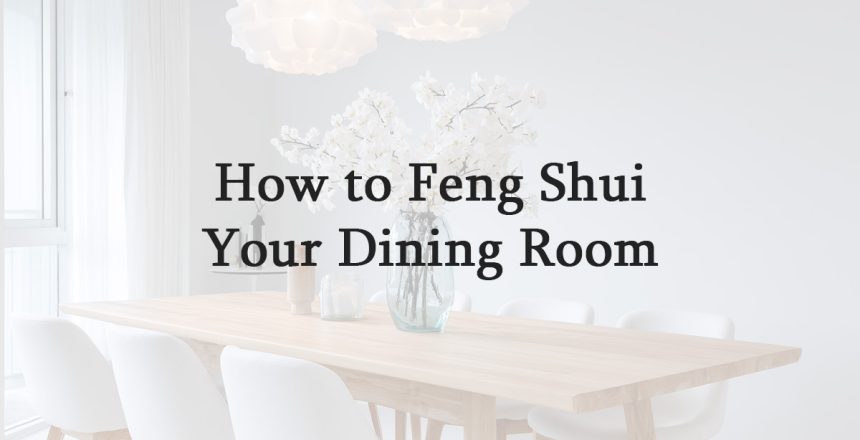
The dining room plays a quiet but meaningful role in the energy of a home. It is the place where people gather, share food, and reconnect after long days. In Feng Shui, this room carries the energy of nourishment, both physical and emotional. A well-balanced dining space supports digestion, conversation, and a sense of stability within the household. When the room feels calm and inviting, meals become more than routine. They become grounding moments that lift the energy of the entire home.
Modern life has shifted how dining rooms are used. Some homes have a formal dining room that is rarely touched. Others have open plan layouts where the dining table sits between the kitchen and living room. Many small apartments rely on compact spaces or multipurpose zones. Regardless of layout, the intention behind the room matters more than the architecture. Feng Shui allows you to create a sense of focus, warmth, and connection, even in the smallest or most unconventional dining areas.
As you explore the concepts in this guide, think about how you want this space to feel. Calm. Light. Connected. Welcoming. A dining room that carries these qualities supports harmony through every meal that takes place there.
- Start With the Purpose of the Space
- The Best Placement for the Dining Table
- Choosing the Right Dining Table Shape and Material
- The Role of Lighting in a Balanced Dining Room
- Colours That Support Connection and Nourishment
- The Best Dining Room Artwork and Décor
- Creating a Comfortable Seating Arrangement
- Managing Clutter and Storage
- Feng Shui Solutions for Common Dining Room Challenges
- Adding Symbolic Enhancements With Intention
- When the Dining Room Serves More Than One Purpose
- Supportive and Disruptive Dining Room Features
- A Gentle Note on Deepening Your Feng Shui Knowledge
- Creating a Dining Space That Feels Alive
- Continue Your Feng Shui Learning With Us
Start With the Purpose of the Space
Before rearranging furniture or choosing colours, reflect on what the dining room currently represents in your home. In many houses, the dining room becomes a catchall space. It holds laundry baskets, unopened parcels, homework piles, or items that have not found a proper home. Over time, the room shifts from a place of nourishment to a place of storage, which disrupts the flow of energy.
Ask yourself two simple questions:
- What currently happens in this room.
- What do I want it to support.
If your dining room feels disconnected from daily life, the first step is to restore intention. Clear what does not belong. Reclaim the table surface. Create a sense of purpose so the space is ready to be shaped into something supportive and warm.
This intention sets the foundation for all other Feng Shui adjustments.
The Best Placement for the Dining Table
A dining table sets the tone for the entire room, so its placement has a strong influence on how the space feels and functions. Before considering shapes or décor, it helps to understand how the table interacts with the room’s pathways, natural movement, and sense of balance. Good placement allows the room to feel open, welcoming, and easy to navigate.
Positioning Principles That Support Flow
The dining table is the anchor of the room. Its placement influences how people move and how the room feels. Ideally, the table sits in a central or balanced position where everyone can reach the chairs comfortably. When a table is squeezed between walls or tucked into a corner, the room feels restricted. Tension builds in spaces where movement is tight or awkward.
Some small homes have their dining tables close to the front door, which can make meals feel rushed. If that’s your setup, this guide on creating a calmer entry flow may give you ideas.
A balanced position also helps people feel equal. There should be space to walk around the table without brushing furniture or navigating obstacles. Even a small dining area can achieve this with thoughtful placement.
Why Circulation Matters
Clear pathways around the table support easy flow. If people must pull their chairs out at an angle or slide sideways to sit down, the room begins to feel cramped. Good circulation subtly affects the tone of the meal. When movement is easy, conversation tends to be more relaxed and meals feel calmer.
In open plan spaces, circulation is even more important because the dining area must hold its own identity without feeling lost between the kitchen and living room.
The Seat With the Most Support
In Feng Shui, it is beneficial for at least one chair, usually the host or the head of the household, to sit facing the main entrance to the dining room. This is known as sitting in a position of support. It makes the person feel more relaxed and grounded because they can see who enters the space. Even if you do not use a formal head-of-table setting, ensuring at least one stable, supportive seat can influence the overall atmosphere of the room.
Choosing the Right Dining Table Shape and Material
| Table Shape | How It Influences Energy | Best For |
|---|---|---|
| Round | Creates a gentle, connected atmosphere and removes hierarchy. Conversations feel natural and inclusive. | Families who value connection and equal participation. |
| Oval | Offers softness with a bit more structure. Helps energy flow smoothly in longer rooms. | Long or narrow dining rooms that need balanced movement. |
| Rectangular | Practical and organized, giving the room direction and clarity. Feels structured and stable. | Formal dining areas or households that prefer a traditional layout. |
| Square | Creates intimacy and balanced seating but can feel restrictive in tight spaces. | Small, symmetrical rooms where closeness is desirable. |
There is no perfect shape. The best choice depends on the room’s dimensions and the feeling you want to encourage.
Materials That Shape Atmosphere
A wooden table brings warmth and grounding to the dining room. It feels natural, welcoming, and suitable for daily meals.
A glass table creates a light, airy feel. It works well in small spaces but may lack the stability needed in homes that already feel overstimulated or unsettled.
A stone or marble table introduces strength and permanence. These materials can be beautiful, but they should be balanced with softer elements so the space does not feel too heavy.
Proportion Matters
A dining table should always match the scale of the room. A large table in a small dining room can overwhelm the space. A tiny table in a big room can feel lost and unsupported. The goal is visual harmony. When the table is properly scaled, the room feels balanced and inviting.
The Role of Lighting in a Balanced Dining Room
Lighting has a powerful effect on atmosphere, especially in a space where people gather to share meals. The type of light you choose can soften the room, highlight key features, and make guests feel relaxed and present. Good lighting also helps define the dining room, particularly in open plan homes.
Why Lighting Is So Important
Lighting is one of the most influential elements in a dining room. It affects mood, appetite, and the way people interact. Warm, soft lighting makes meals feel relaxed and pleasant. Harsh lighting can make the room feel exposed or cold.
Good lighting also helps define the dining room in open plan layouts by drawing the eye to the table.
Choosing the Right Fixtures
A pendant light over the table creates a natural gathering point. The fixture should feel proportional to the table, not overpowering or undersized. Soft fabric shades, warm bulbs, or frosted finishes help diffuse light evenly.
Layered Lighting for Flexibility
Supplementary lighting can improve ambience. A floor lamp, wall sconces, or a small table lamp on a sideboard adds warmth and depth. Dimmers are ideal because they let you adjust the atmosphere depending on the meal or occasion.
The Symbolic Warmth of Candlelight
Candles offer a gentle, calming energy. They bring a sense of ceremony to meals and symbolise shared closeness. When used thoughtfully, they elevate both simple family dinners and special gatherings.
Colours That Support Connection and Nourishment
Colour influences how people feel the moment they enter the dining room. Warm and grounded tones create a sense of ease, while cooler shades can either refresh or distance depending on how they are used. Choosing the right palette helps set the emotional foundation of the space and supports the energy you want the room to hold.
Colour sets the emotional tone of the dining room. Since this space is associated with nourishment, grounding, and social connection, the best colours are those that feel warm, comforting, and balanced. Bright or highly stimulating colours can be overwhelming, while cold, muted tones can make the space feel distant or uninviting. The goal is to create an atmosphere that feels calm yet engaging, warm yet breathable.
Earth Tones for Stability and Calm
Earth tones are the most supportive colours for dining rooms. Shades such as beige, cream, soft brown, clay, or warm taupe create a sense of stability. These colours are associated with nourishment and grounding, and they help everyone at the table feel comfortable and settled.
Earth tones also work well with most décor styles, from modern to traditional. Because they are naturally calming, they help unify the energy of the room without drawing too much attention.
Warm Colours for Connection and Vitality
Warm colours make the dining experience more lively. Muted terracotta, warm peach, soft apricot, and gentle reds encourage conversation and make the space feel inviting. These colours do not need to dominate the room. Sometimes they work best as accents. A piece of art, a table runner, or upholstered chairs can introduce a warm tone without overwhelming the space.
These colours carry a symbolic connection to food and fire, which ties beautifully into the emotional purpose of the dining room.
Cool Colours Used Carefully
Cool colours such as soft greens or light blues can introduce a refreshing quality. However, they work best when used sparingly or balanced with warmer elements. A dining room that is predominantly cool in tone can feel distant. If you enjoy cooler colours, pair them with warm lighting, wood furniture, or natural textiles to maintain balance.
The Psychology Behind Colour in Dining Spaces
Warm colours invite people to linger. Cool colours encourage lightness. Earth tones settle the room. When used together thoughtfully, these elements create a dining room that feels harmonious and emotionally supportive. The aim is not to follow specific formulas but to choose colours that feel right for how you want people to experience the space.
The Best Dining Room Artwork and Décor
Design elements influence how welcoming a dining room feels. Artwork, mirrors, plants, and decorative objects all have energetic qualities that shape the atmosphere of the space.
What to Hang on the Walls
Artwork should evoke feelings of connection, abundance, or nature. Soft, harmonious pieces work beautifully. Still life artwork, food-related imagery, nature scenes, or warm abstract prints help elevate the sense of nourishment.
It is best to avoid artwork that feels lonely, chaotic, or emotionally heavy. Stormy landscapes, harsh geometric pieces, or art with strong solitary themes can disrupt the calmness of the dining room.
Mirrors as Enhancers of Light and Abundance
Mirrors can be helpful in dining rooms when used thoughtfully. They reflect light, expand the sense of space, and symbolise abundance. Placing a mirror where it captures soft light or reflects the dining table can enhance the feeling of fullness.
However, mirrors should not create visual noise. Avoid placing a mirror directly behind diners or in a spot where it reflects clutter or harsh light.
Plants and Natural Elements
Plants bring vitality and natural softness. Rounded, gentle foliage works best near the dining area. Large spiky plants can feel disruptive, so choose softer shapes such as a peace lily, pothos, or rubber plant.
Natural materials like wood, ceramic, linen, and clay also help the room feel grounded and warm.
Choosing the Right Table Centerpiece
A dining table feels more complete with a thoughtful centerpiece. Fresh flowers, a fruit bowl, or candles create a sense of intention. The scale of the centerpiece is important. It should complement the size of the table rather than dominate it. A well-chosen centerpiece invites people to gather around the table.
Creating a Comfortable Seating Arrangement
Comfort is central to Feng Shui. When people sit down to eat, they should feel supported, stable, and relaxed. This depends not just on the chairs but also on how they are arranged.
Chair Comfort and Stability Matter
Chairs should feel sturdy and comfortable. Wobbly chairs or overly rigid seating can make meals feel unsettled. Upholstered seats or chairs with supportive backs help maintain a warm, inviting atmosphere.
Equal Spacing Encourages Connection
Spacing between chairs affects the tone of conversation. Chairs that are too close create a cramped feeling. Chairs that are too far apart make the room feel formal or distant. A balanced seating arrangement encourages easy interaction and connection.
Balancing the Number of Seats
The number of seats should reflect the household and how the room is used. A table permanently set for more people than the home holds can create energetic emptiness. Likewise, too few seats may limit the feeling of invitation. Arrange the chairs to reflect realistic, comfortable use.
Managing Clutter and Storage
Even the most beautiful dining room can feel unsettled when clutter builds up. This room functions best when it stays clear and purposeful. Thoughtful storage helps maintain a sense of calm and makes daily transitions between meals and other activities feel effortless.
Why Clutter Disrupts Dining Room Energy
Clutter affects the emotional tone of any room, but it is especially noticeable in the dining room. This space carries the energy of nourishment. When objects pile up, the room shifts from calm and welcoming to busy and distracted.
Thoughtful Storage Options
Sideboards, cabinets, and built-in storage help keep items organized without overwhelming the room. These storage solutions keep everyday items accessible while preserving the clean, open feeling of the dining area.
A Clear Table Surface Supports Calm Meals
The dining table should ideally remain clear when not in use. A clutter-free table promotes a sense of readiness and intention. It signals that the room is prepared for connection and nourishment, even on the quietest days.
Feng Shui Solutions for Common Dining Room Challenges
Every home presents its own layout quirks and architectural limitations. The dining room often ends up squeezed between other spaces or shaped by design choices made long before you arrived. The goal is not to create a perfect room but to work with what you have in a way that feels comfortable and intentional. Below are solutions for some of the most common dining room challenges.
When the Dining Room Sits in a Walkway
In some homes, the dining table sits directly in a high-traffic path. People pass through during meals, and the room can feel busy or unsettled.
You can soften this by creating clear boundaries. A rug under the table, a pendant light centered above it, or a low sideboard along one wall helps define the dining area as a distinct zone. These visual cues signal that this space has a purpose beyond simply being a passage.
When the Dining Table Is Close to the Front Door
Homes without a defined entryway sometimes place the dining area near the entrance. This can make the room feel rushed or exposed.
To soften this, create a pause point between the front door and the dining table. A narrow console, a floor plant, or a piece of art can guide energy gently into the space instead of allowing it to rush directly toward the table.
When There Is No Dedicated Dining Room
Apartment living and modern floor plans often place the dining table in the kitchen or living room. While this is common, the space can feel lost among competing functions.
Use lighting, textiles, and centered décor to give the dining area its own identity. A pendant light works particularly well because it draws attention to the table. Even in small spaces, a clear sense of intention transforms the room.
When the Dining Room Feels Too Small
Compact dining areas can feel crowded, especially when chairs bump against walls or doorways. Round or oval tables are helpful here because they allow for better circulation and remove harsh angles. Light, warm colours and streamlined furniture also create a sense of openness.
When the Dining Area Is Part of an Open Plan Layout
In open layouts, dining rooms often compete with living and kitchen areas. To prevent the space from feeling lost, focus on creating one clear focal point, such as the dining table or the lighting above it. Keep décor cohesive across the open space while giving the dining area a few elements that anchor it, such as a warm rug or a soft piece of artwork.
Adding Symbolic Enhancements With Intention
Symbolic enhancements are not mandatory in Feng Shui, but they can help reinforce the emotional tone you want for your dining room. These items add meaning when used mindfully rather than as formulaic cures.
The Warmth of Candles
Candles introduce a gentle, uplifting quality. Their soft glow encourages conversation and connection. They also help transition the room from day to evening, which is especially helpful in open plan spaces.
Fresh Fruit as a Symbol of Abundance
A bowl of fresh fruit on the table is a classic symbol of nourishment. Fruit adds colour, scent, and a sense of fullness without overwhelming the room.
Seasonal Décor to Reflect Change and Movement
Subtle seasonal changes, such as fresh flowers in spring or a warm-toned centerpiece in autumn, help the room feel alive. These small shifts prevent the energy from becoming stagnant and keep the space feeling cared for.
Earth Elements for Stability
Clay, stone, ceramics, and warm neutrals help ground the dining room. These materials reinforce stability and bring a sense of calm to shared meals.
When the Dining Room Serves More Than One Purpose
Many households use the dining table for more than meals. It might be a homework station, a home office, a craft table, or a place to lay out shopping bags. While multi-use spaces are normal, they need clear transitions so the dining room does not lose its identity.
Setting Boundaries With Visual Cues
A placemat, a vase, or a simple centerpiece can signal the shift from work mode to mealtime. Clearing the table after non-dining tasks helps restore the intention of the room. If the dining table regularly doubles as a workspace, consider a basket or small container to hold work items so they can be removed quickly.
Maintaining the Energy of Meals
Even in busy households, it is important to protect a sense of calm around mealtime. Creating small rituals, such as wiping the table, lighting a candle, or adjusting the lighting, helps reset the energy. These actions anchor the dining room as a place of connection rather than chaos.
Supportive and Disruptive Dining Room Features
Here is the table section that belongs before the conclusion, based on your preferred article structure for career-level posts.
A Quick Guide to Supportive vs Disruptive Elements
These patterns help you understand what contributes to a harmonious dining room and what subtly pulls the space off balance.
| Supportive Features | Why They Help | Disruptive Features | Why They Create Imbalance |
|---|---|---|---|
| Warm, soft lighting | Encourages connection and calm | Harsh overhead lighting | Creates tension during meals |
| Clear table surface | Supports intention and clarity | Permanent clutter | Distracts and competes with nourishment |
| Centered table placement | Allows comfortable flow | Tight walkways | Creates rushed or cramped energy |
| Comfortable chairs | Helps people relax and stay present | Wobbly or rigid seating | Makes meals feel unsettled |
| Balanced décor | Creates warmth and cohesion | Heavy or chaotic artwork | Disturbs the emotional tone |
| Defined dining area | Strengthens the room’s purpose | Competing functions with no boundaries | Confuses energy and focus |
This table helps readers immediately recognise patterns in their own dining rooms and gives them practical direction for improvement.
A Gentle Note on Deepening Your Feng Shui Knowledge
Improving a single room often inspires people to explore Feng Shui more seriously. If you feel drawn to work with energy, intention, and design on a deeper level, the Feng Shui Mastery Institute offers a comprehensive certification program that teaches modern, practical Feng Shui suited for real homes. It is designed for beginners and aspiring practitioners who want to understand the heart of this work with clarity and confidence.
Creating a Dining Space That Feels Alive
The dining room holds a unique place in the rhythm of the home. It is where people gather, connect, and share the meals that nourish both body and spirit. When this room feels warm and balanced, the entire house benefits. Feng Shui offers a way to create that sense of harmony, not through strict rules, but through thoughtful adjustments that reflect how you want your home to feel.
A dining room that is well lit, comfortably arranged, and intentionally decorated becomes a place where conversations flow easily and meals feel grounding. Whether you have a small dining nook in an apartment or a spacious formal dining room, the heart of the practice remains the same. Create a space that welcomes you, supports connection, and brings life to the everyday experience of sharing food.
Continue Your Feng Shui Learning With Us
If exploring your dining room has sparked a deeper interest in Feng Shui, you can take the next step by learning the full system in a structured, modern way. The Feng Shui Mastery Institute offers a comprehensive online certification that teaches you how to apply Feng Shui across every room in the home, interpret floor plans with confidence, and support others through balanced, intentional design.
Our program is ideal for beginners, design lovers, and anyone considering a career in Feng Shui. It is self paced, practical, and designed for real homes rather than abstract theory. You will learn how to assess energy flow, make thoughtful adjustments, and create supportive spaces for yourself or clients.
If you are ready to deepen your understanding, our certification program is available anytime you want to begin.

