


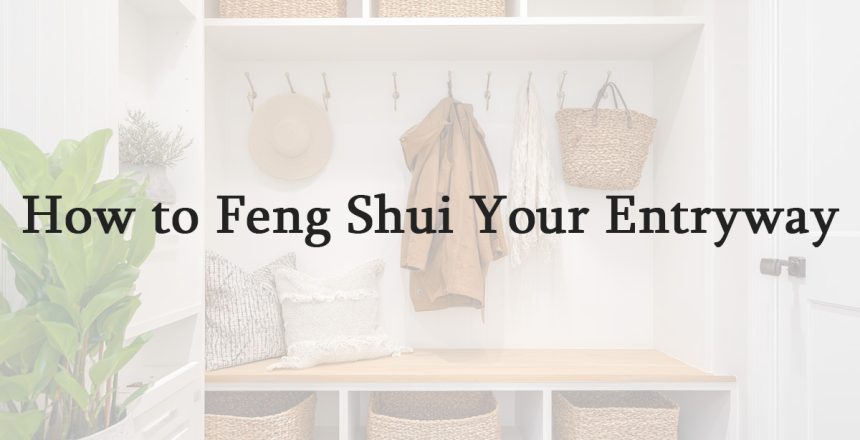
The entryway is one of the most influential spaces in Feng Shui. It is the first point of contact between the outside world and your home, and it sets the tone for how energy moves through every room. A balanced entryway feels open, bright, and welcoming. A congested or neglected one can make the entire home feel heavy or disconnected. With a few thoughtful adjustments, your entryway can become a calm, inviting space that supports the rest of your living environment.
Create a Clear, Welcoming Path for Energy
The entryway is often called the mouth of chi because it determines how energy enters the home. When this area is clean, organised, and visually open, the rest of the house benefits. When it is cluttered, dark, or blocked, the energy inside the home slows down or becomes muddled.
Begin by evaluating the path from the outside to the inside. A clear walkway, a visible front door, and an unobstructed entry zone create an immediate sense of ease. Outdoor lights should work well and illuminate the doorway gently. Indoors, remove anything that blocks movement. Shoes, parcels, umbrellas, jackets, and bags tend to accumulate quickly, so establishing simple storage solutions makes a big difference. A small bench, a closed cabinet, a few strong hooks, or a tray for everyday items can keep the space feeling intentional and calm.
Lighting is another key element. Entryways often lack natural light, so warm, inviting fixtures help lift the emotional tone. Mirrors can brighten the space by reflecting light, but avoid placing a mirror directly opposite the front door, as it may push energy back outside. Instead, place it to the side where it enhances openness without disrupting flow.
Here are a few basic entryway layout adjustments and their effects:
| Layout Adjustment | Effect on the Space |
|---|---|
| Moving furniture away from the door | Instantly improves flow and makes the space feel open |
| Adding a soft light fixture | Brightens the area and lifts the mood |
| Placing a plant near a wall or console | Adds vitality and softens hard lines |
| Using a runner or rug | Creates a visual path that guides energy inward |
| Adding a simple divider in open-plan homes | Gently defines the entry without creating separation |
| Repositioning a mirror to the side wall | Expands light without pushing energy outward |
Use Colours, Materials, and Décor That Feel Grounded and Uplifting
The entryway sets the emotional tone for the home, so its colours and materials should feel warm, grounded, and steady. Soft neutrals, warm whites, gentle greys, and natural wood tones all help create a welcoming atmosphere. These colours create a balanced backdrop that works well with both modern and traditional interiors.
Decorative choices should be simple and meaningful. A single piece of artwork in calming colours can create a gentle focal point. Plants with rounded leaves bring vitality into the space and soften hard architectural lines. Natural baskets or woven textures add warmth and help contain clutter in an attractive way. If your entryway feels narrow or heavy, incorporate lighter touches such as a soft rug, a slim console table, or artwork that creates depth without overwhelming the walls.
Scent also influences the atmosphere. Subtle, natural fragrances can lift the mood without feeling artificial. A small diffuser or fresh greenery near the door helps the space feel alive and cared for.
Because the entryway connects so directly to the rest of the home, it benefits from décor that encourages movement forward. Objects that feel heavy, sharp, or chaotic can affect how the home feels as a whole. Choose items that support clarity and ease rather than visual noise.
Support Smooth Transition and Flow Into the Rest of the Home
An entryway should gently guide you from the outside world into the heart of your home. To support this transition, consider how movement flows through the space. The entryway should feel like an invitation, not a barrier. Furniture should be placed so that nothing blocks doorways or walkways. If the space is small, choose slim or wall-mounted pieces that allow easy movement.
Define the transition into the home with simple, thoughtful elements. A small rug helps ground the space and symbolically collects outside energy before you step further inside. A console table with one or two intentional objects can create a soft visual pause that encourages you to slow down for a moment. In larger entryways, a plant or piece of artwork placed farther into the home can draw energy inward and create a natural sense of direction.
If your front door opens directly into a living room or hallway, use the arrangement of the space to create a gentle boundary. Rugs, lighting, or the placement of a chair can help define the entry zone without adding clutter. The goal is not to separate the spaces completely but to acknowledge the emotional transition between outdoors and indoors.
Finally, keep the entryway fresh. Regularly remove old items, wipe down surfaces, and refresh greenery. Entryways are small, but they influence the entire home. When this space feels calm and intentional, you feel supported the moment you walk through the door.
Supportive and Disruptive Entryway Features
Because the entryway influences how energy enters the home, small details can make this space feel either open and inviting or heavy and congested. The table below highlights the features that support balanced entryway energy and the ones that tend to create disharmony. Use it as a quick reference when assessing your own space.
| Supportive Feature | Why It Helps |
|---|---|
| Clear, unobstructed walkway | Creates a smooth, welcoming path for energy to enter the home |
| Warm, balanced lighting | Lifts the emotional tone and improves visibility |
| Closed storage for shoes and coats | Reduces visual clutter and keeps the space feeling intentional |
| A plant with rounded leaves | Adds vitality and softens architectural lines |
| Neutral, grounding colours | Helps the entry feel calm and steady |
| A mirror placed to the side of the door | Expands light without pushing energy outward |
| Disruptive Feature | Why It Creates Imbalance |
|---|---|
| Piles of shoes, parcels, or bags | Blocks movement and makes the home feel heavy |
| Mirror directly facing the front door | Pushes energy back outside rather than welcoming it in |
| Harsh or dim lighting | Creates an unsettled or flat atmosphere |
| Bulky furniture near the entrance | Restricts movement and compresses the space |
| Dark, heavy colour schemes | Make the entryway feel tight or unwelcoming |
| Décor that feels chaotic or overly busy | Distracts the eye and disrupts calm flow |
A Gentle Way to Continue Learning Feng Shui
If creating balance in your entryway has inspired you to learn Feng Shui more deeply, you may enjoy studying the full system through the Feng Shui Mastery Institute. Our online certification teaches practical, modern Feng Shui in a clear, approachable way, making it ideal for anyone who wants to understand home energy with confidence or eventually work with clients.

