


Plants play a unique role in feng shui because they bring the wood element into your home. Wood energy represents growth, upward movement, renewal, and vitality. When used correctly, plants can lift the energy of a stagnant room, soften sharp corners, make a home feel more alive, and support goals related to creativity, family harmony, and financial progress.
Students at the Feng Shui Mastery Institute often notice that plants do more than just improve the look of a room. In our recent survey, more than 65 percent say their home felt “lighter and more welcoming” after adding just one well-placed plant. Another 40 percent report improved focus, especially in work areas where plants help counterbalance the heavy presence of technology.
This guide walks you through the best feng shui plants, which flowers carry the strongest symbolism, how to place plants for maximum benefit, and which common mistakes you should avoid. You will also find answers to the most searched plant-related feng shui questions, including where to put a money tree, whether fake plants are acceptable, and how to activate the wealth corner.
If you want to go deeper into the room-by-room principles behind these placements, you can explore our full guides on bedrooms, living rooms, home offices, and other spaces throughout your home. And if you want to learn feng shui on a professional level, you are always welcome to join our Feng Shui Certification Course, which is 100 percent online and open for enrollment anytime.
Next, we will look at the wood element itself and why it matters so much in plant-based feng shui.
- The Wood Element and How It Affects Your Home
- The Best Feng Shui Plants for Every Space
- Where to Place Plants for the Best Results
- Are Fake Plants Bad Feng Shui?
- Flowers vs. Green Plants – What Works Best and Where
- What to Avoid – Bad Feng Shui Plant Mistakes
- How Many Plants Should You Have?
- Quick Beginner Setups (Three Simple Layouts)
- Bringing Plant Energy Into Your Home
The Wood Element and How It Affects Your Home
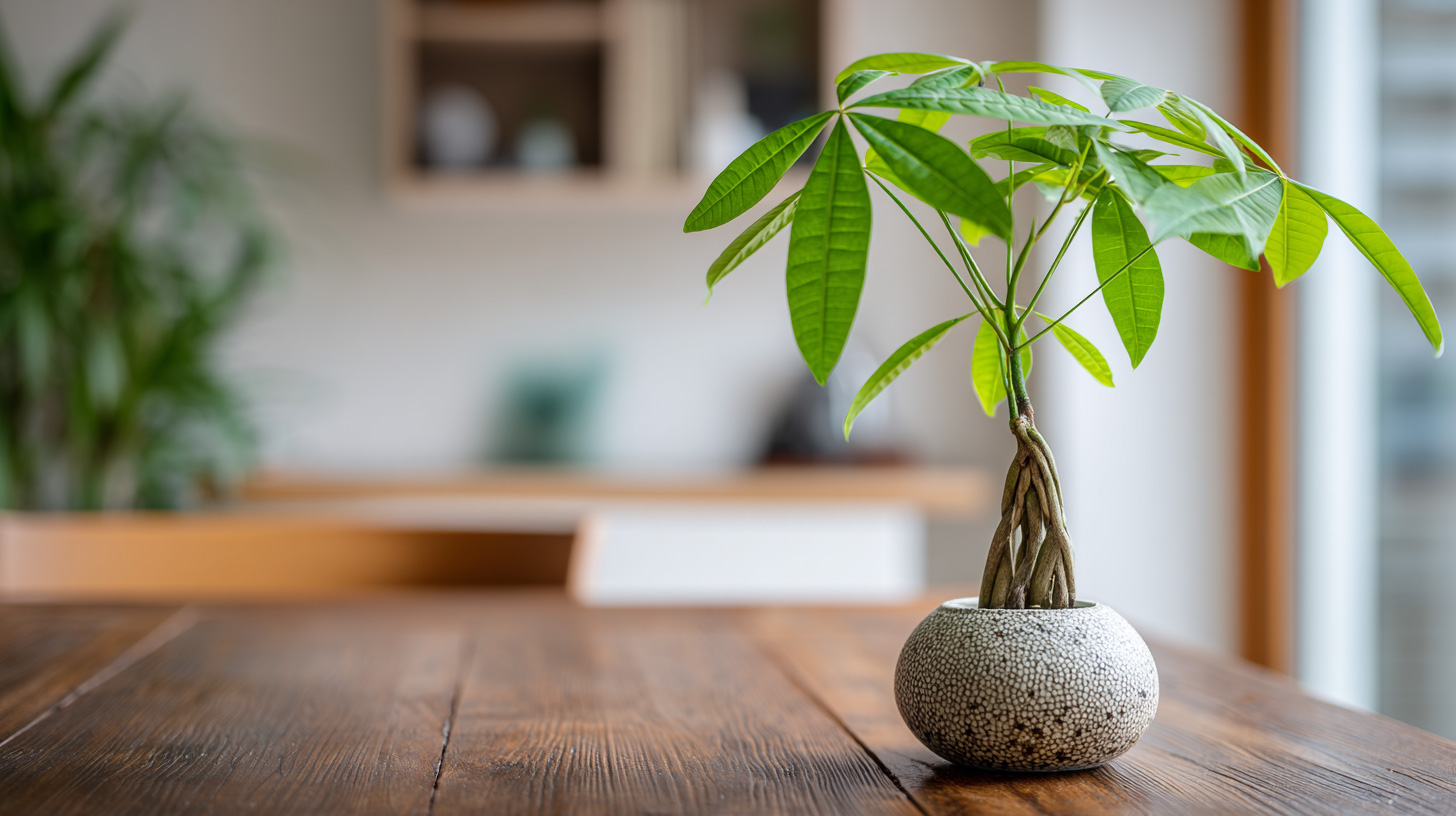
In feng shui, every plant carries the energy of the wood element, which represents growth, movement, creativity, and upward progress. Wood is the element we associate with new beginnings. It is the feeling of a fresh start, a clear plan, or a renewed sense of motivation. When a room feels heavy, stagnant, or emotionally flat, it often needs more wood energy.
Students in our certification program often describe rooms with strong wood influence as “awake but calm.” The space feels alive without being chaotic. This makes the wood element especially helpful in living rooms, entryways, and home offices where momentum and clarity matter.
What Wood Energy Supports
Wood has a positive influence on several aspects of life:
- Growth and expansion: Great for personal development, starting new routines, or building confidence.
- Creativity and problem solving: Plants help stimulate fresh ideas, which is why many people use them in creative workspaces.
- Steady forward movement: Wood’s upward energy helps break sluggish patterns in a home.
- Vitality and health: Healthy green plants bring a sense of renewal that many students describe as “an instant mood lift.”
You might notice a room needs more wood energy if it feels emotionally flat, too rigid or formal, heavy or slow-moving, lacking natural light, low in motivation. Even a single plant can shift these qualities.
Although plants are helpful, an excess of wood can overload a space. Rooms with too many plants often feel chaotic or overstimulating. Bedrooms are especially sensitive. Too much upward growth energy can affect relaxation and sleep.
There are a few tell-tale signs of excess wood:
- Restlessness
- Difficulty winding down
- A sense of busyness or clutter, even if the room is tidy
- Overgrown or visually dominant greenery
Balance is the goal, not abundance.
Pairing Wood With Other Elements
Plants bring wood energy into your home, but that energy never exists on its own. It always interacts with the other four elements, sometimes strengthening a space and sometimes overwhelming it.
Many beginners focus only on choosing the right plant, but harmony comes from knowing how the wood element behaves once the plant enters the room.
The table below shows how wood interacts with earth, water, metal, and fire, and why certain placements feel balanced while others feel tense.
| Element | How It Interacts With Wood | Impact on the Space |
|---|---|---|
| Earth | Earth supports wood by providing grounding stability. | Creates a steady, calm foundation. Rooms feel anchored and centered when wood and earth are balanced. |
| Water | Water nourishes wood and encourages growth. | Can be supportive, but too much water overstimulates the space and makes rooms feel restless or emotionally “busy.” |
| Metal | Metal controls wood, reducing its influence. | Metal-heavy rooms may feel rigid or overly sharp until softened with plants. Wood helps bring warmth and flexibility. |
| Fire | Fire enhances wood’s upward momentum. | Strengthens movement and activity. Helpful in creative or social rooms, but too stimulating in bedrooms or quiet spaces. |
This is why plant placement matters as much as plant selection. A plant in the right spot creates harmony. A plant in the wrong spot adds tension.
The Best Feng Shui Plants for Every Space
Some plants carry more supportive symbolism than others, and certain varieties are known in feng shui for attracting growth, harmony, and prosperity.
The plants in this section are not only popular in modern interiors, but they also align naturally with wood energy in a way that strengthens the spaces they occupy.
In surveys from our Feng Shui Mastery Institute course, more than 70 percent of students list “adding the right plant to the right room” as one of the easiest adjustments with the highest impact.
The key is choosing a plant with an upright, healthy, and balanced shape. Weak, drooping, or spiky plants tend to create the opposite effect.
Below are some of the most supportive choices for beginners and experienced practitioners alike.
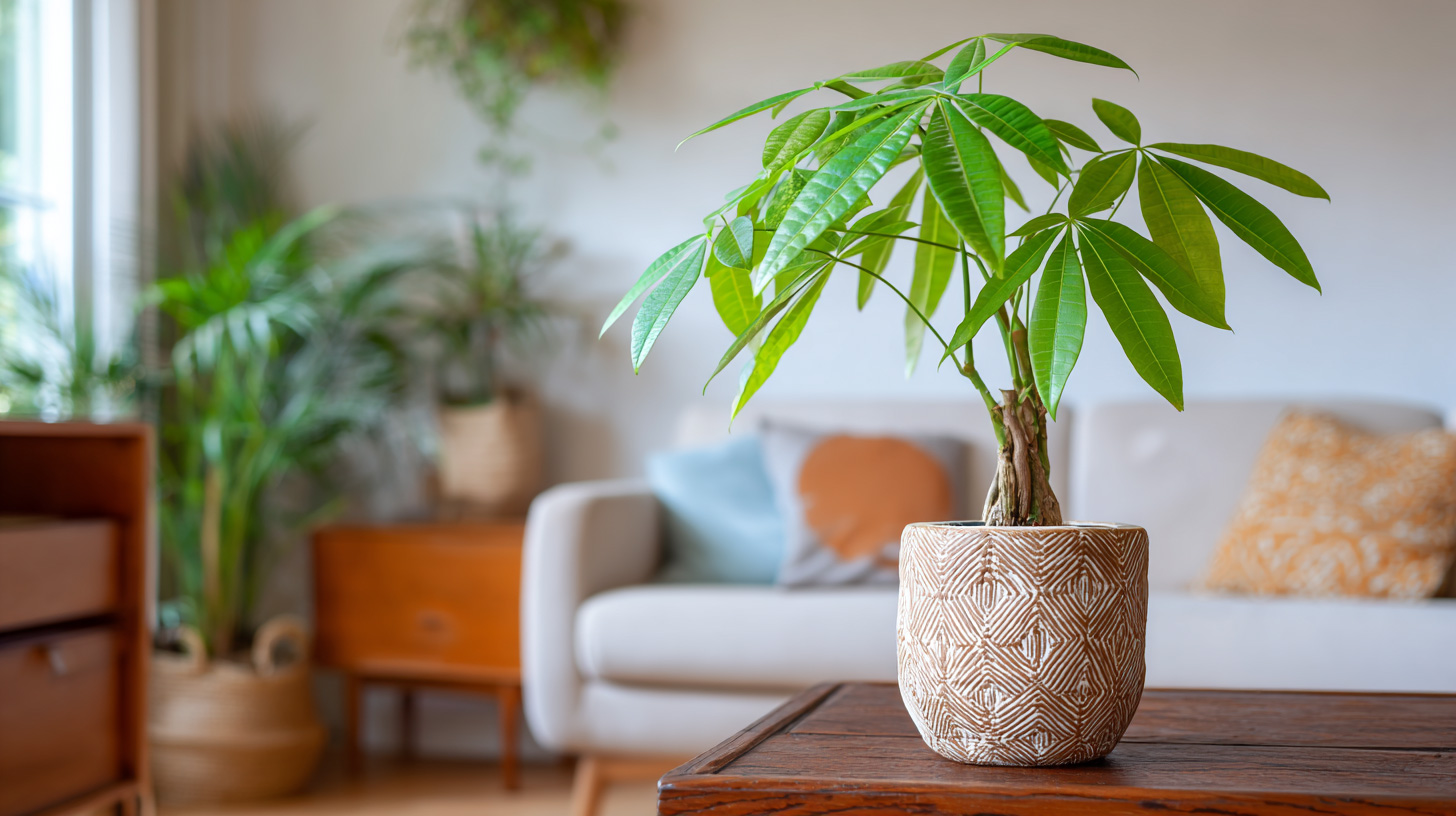
Money Tree (Pachira Aquatica)
Best for: Prosperity, opportunity, and financial stability
The money tree is one of the most iconic feng shui plants because its braided trunk symbolizes stability and its leaves represent expanding growth. When well cared for, it brings a steady sense of upward movement.
Where it works best:
- Near the home’s wealth area
- In the office to support career flow
- In living rooms as a grounding prosperity anchor
Avoid placing it in bathrooms or cluttered corners where qi drains quickly.
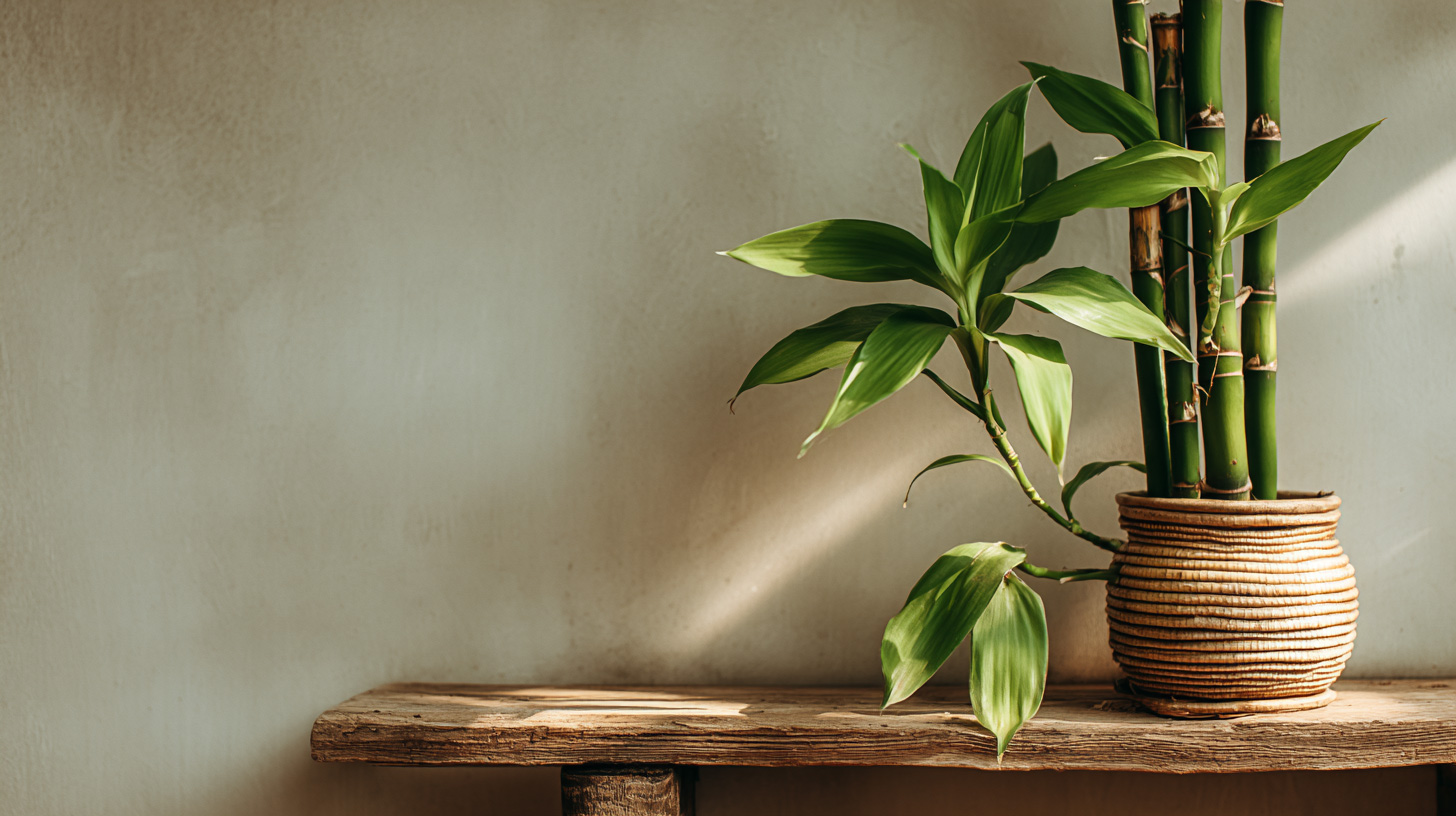
Lucky Bamboo
Best for: Steady growth, resilience, and peaceful energy
Lucky bamboo is easy to maintain and perfect for beginners. Its vertical stalks symbolize rising opportunities and persistence. Because it thrives in low light, it is ideal for areas where other plants struggle.
Best placements:
- Entryways
- Home offices
- Bathrooms with good ventilation
It should not sit in stagnant water. Change the water weekly to keep its energy fresh.
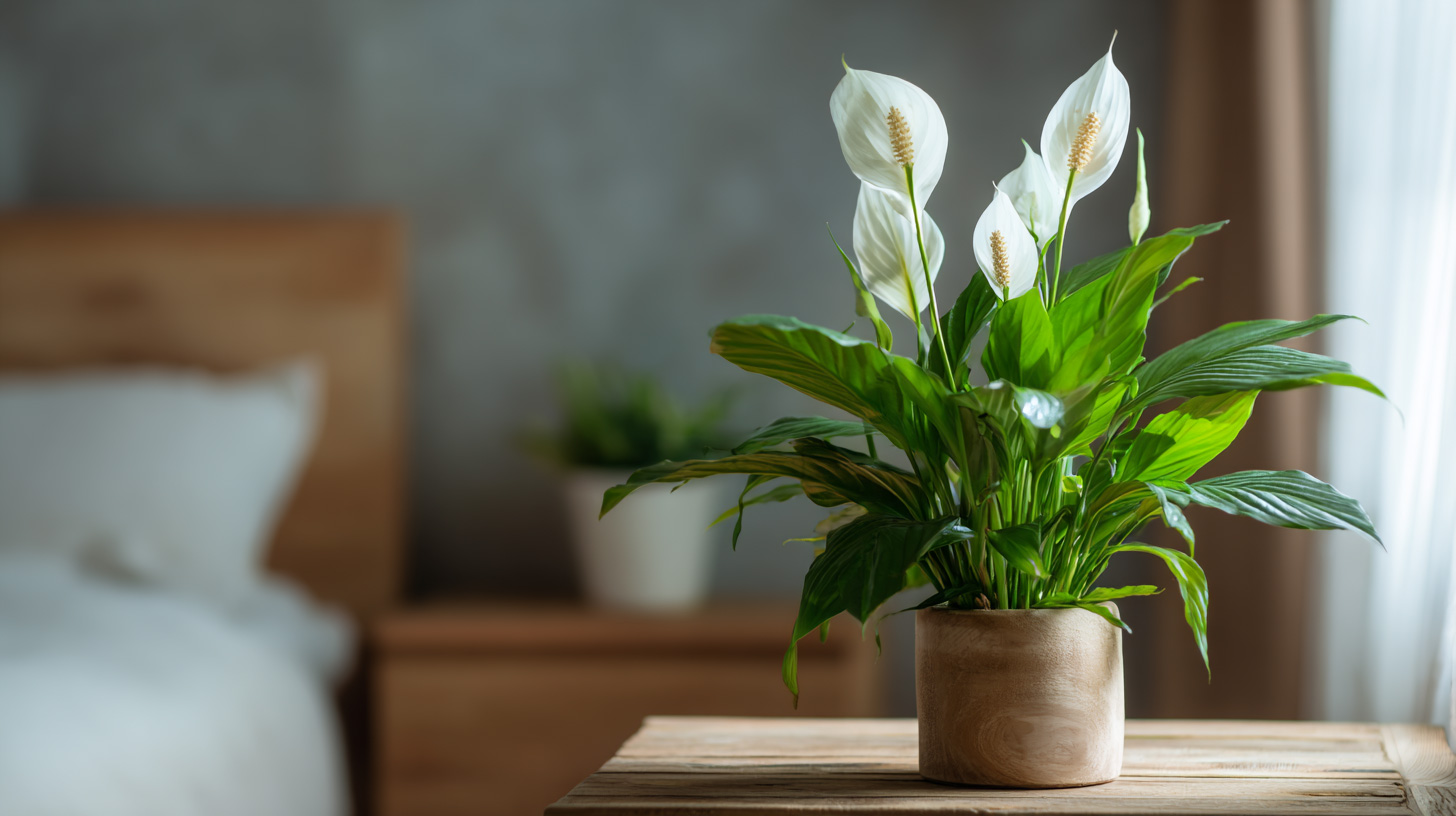
Peace Lily
Best for: Cleansing, emotional calm, and air purification
Peace lilies soften the feel of a room and absorb excess energy. Their white flowers add clarity and purification, making them ideal for spaces where tension tends to build.
Best placements:
- Bedrooms
- Bathrooms
- Living rooms with harsh angular furniture
Avoid placing too many peace lilies in a bedroom, since too much plant energy can overstimulate the space.
Jade Plant (Crassula Ovata)
Best for: Welcoming energy, business luck, and warm social qi
Jade plants have round, full leaves that symbolize harmony and abundance. Many practitioners use jade plants in small businesses, home offices, and entryways to encourage steady growth.
Best placements:
- Near the front door
- On a side table in the living room
- In the office near a sunny window
Round-leaf plants are always favorable over sharp or spiky shapes.
Areca Palm or Parlor Palm
Best for: Filling empty corners, improving air quality, and softening sharp lines
Palms have gentle, feathery growth patterns that bring softness to rooms with heavy architecture or too many rigid lines. They are excellent for activating “dead corners” where qi tends to stagnate.
Best placements:
- Living room corners
- Large entry spaces
- Home offices that feel too rigid
Choose palms with upward-growing fronds rather than ones that droop heavily downward.
Flowers That Carry Positive Feng Shui Energy
Certain flowers are associated with specific kinds of energy:
| Flower | Symbolism | Best Placement |
|---|---|---|
| Orchids | Beauty, creativity, refinement | Living rooms, home offices, creative studios |
| Peonies | Love, attraction, romantic harmony | Bedrooms, living areas |
| Cherry Blossoms | Renewal, new beginnings | Hallways, entryways, transitional spaces |
Fresh flowers work well as long as they are cared for. Wilted flowers quickly shift the energy in the wrong direction.
When to Use Smaller vs. Larger Plants
- Small plants help activate shelves, desks, or small dead zones.
- Medium plants balance living rooms and open areas.
- Large plants anchor corners and soften harsh architecture.
Avoid using large plants in small bedrooms or narrow hallways where they dominate the space.
Where to Place Plants for the Best Results
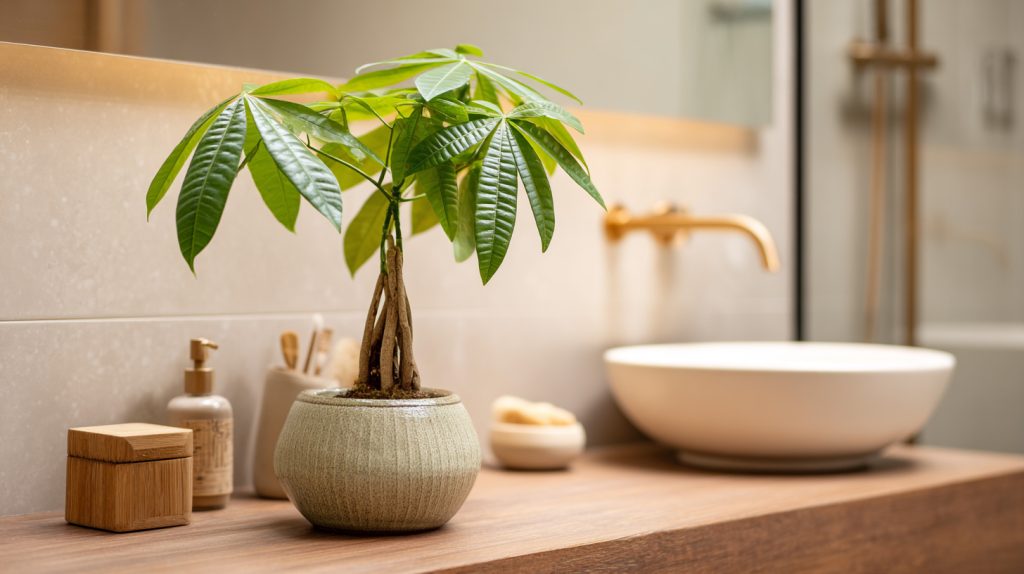
Placement is one of the most important parts of plant-based feng shui. The right plant in the wrong location can create restlessness, crowd a room, or push the energy in a direction that does not match the purpose of the space. The goal is to use plants to support flow, not overwhelm it.
In student home audits at the Feng Shui Mastery Institute, almost 80 percent of plant-related issues come down to placement rather than the plant itself. This section helps you avoid the most common mistakes and shows you exactly where plants create the strongest positive impact.
The Money Corner (Wealth Area)
The money corner, also called the wealth area, is located in the far left corner of your home when you stand at the front door and look inward. This area benefits from upward, healthy, vibrant wood energy.
The best plants for this area:
| ✅ Best Options | Why They Work |
|---|---|
| Money tree | Symbolizes upward growth, stability, and financial opportunity. Its braided trunk adds grounding energy. |
| Jade plant | Associated with prosperity, warm social qi, and steady progress. |
| Bamboo | Represents resilience and continual growth. Excellent for low-light corners of the wealth area. |
| Healthy flowering plants | Boost vitality and attract uplifting, active energy. Orchids are especially supportive. |
What to avoid in the wealth area:
| ❌ Avoid | Why It Disrupts the Space |
|---|---|
| Dying or sick plants | They symbolize declining energy and stagnation. |
| Sharp or spiky plants | They introduce harsh, cutting qi not suitable for prosperity work. |
| Clutter around the plant | Blocks the upward movement of wood energy and slows financial flow. |
| Dusty or neglected containers | Reflect lack of attention and weaken energetic intention. |
A money tree placed in this corner is one of the most popular feng shui adjustments for attracting opportunities and financial momentum.
The Entryway
Your entryway is where qi first meets your home. A well-placed plant can soften the space and make the home feel open and inviting.
Best uses of plants in the entryway:
| ✅ Best Uses | Why They Work |
|---|---|
| A single tall plant for gentle upward movement | Guides qi inward and lifts the atmosphere without overwhelming the space. |
| A small plant on a console table | Anchors the entryway and adds a soft, grounding presence. |
| Fresh flowers | Create an uplifting first impression and add light, welcoming energy. |
Avoid:
| ❌ Avoid | Reason |
|---|---|
| Overcrowding the entrance | Blocks the natural flow of qi and makes the home feel closed off. |
| Thorny or sharp plants | Introduce harsh energy that disrupts the sense of welcome. |
| Plants blocking the door’s swing | Creates physical and energetic resistance every time you enter. |
A vibrant, well-maintained entryway plant does more than look nice. It communicates that the home is cared for, stable, and open to positive energy. It supports both the movement of qi and the emotional experience of anyone stepping through the door. When the entryway feels intentional, the rest of the home naturally follows.
The Living Room
The living room is usually the most active shared space in a home, which means the plant energy here needs to feel balanced, soft, and supportive rather than overwhelming. Since this room hosts conversation, family time, and relaxation, plants work best when they gently lift the atmosphere without becoming the focal point. In student home audits, the living room is often where a single well-placed plant creates the biggest emotional shift because it softens edges, fills empty corners, and encourages smoother flow throughout the space.
Below is a clear breakdown of the most effective placements and plant types for a feng shui-friendly living room.
| ✅ Best Placements | Best Plant Types |
|---|---|
| Corners that feel empty or heavy | Palms – provide gentle upward movement and soften corners |
| Next to the sofa to soften hard lines | Jade plants – offer grounding, steady wood energy |
| On a coffee table or sideboard in small doses | Orchids – add elegance, creativity, and visual lift |
| Peace lilies – support calm and balance while improving air quality |
The Bedroom
The bedroom is one of the most sensitive spaces in feng shui because it is meant to support rest, recovery, and emotional grounding. While plants bring nourishing wood energy, too much of that upward movement can make the room feel unsettled or overstimulating. The key is restraint. A single well-chosen plant can freshen the room without disturbing its calm atmosphere. In our student sleep-environment assessments, people consistently report that removing excess plants made the room feel quieter and more restful.
The table below outlines the most appropriate placements for bedroom plants and what to avoid.
| ✅ Acceptable Placements | ❌ Avoid |
|---|---|
| A single plant on a dresser | Large leafy plants that add too much movement |
| A small plant near a window | Clusters of multiple plants that overstimulate the room |
| A peace lily in a low-light corner | Plants placed too close to the bed, especially near the pillow area |
| Any plant that feels visually dominant or pulls attention |
The Home Office
The home office carries some of the strongest mental energy in the house. Screens, electronics, deadlines, and long periods of concentration create a very yang environment. Plants help balance that intensity by bringing in soft, steady wood energy that supports clarity and reduces visual strain. Students often tell us that adding just one small plant near their workspace made the room feel less clinical and more grounded. The key is placing plants where they actively support focus rather than distract from it.
The table below outlines the best placement strategies and plant choices for an effective feng shui home office.
| ✅ Best Placements | Best Plant Types |
|---|---|
| Behind the computer monitor to soften visual stress | Money tree – supports growth, confidence, and steady progress |
| In the back left corner of the desk for financial support | Bamboo – brings resilience and upward movement |
| In empty corners to improve flow | Jade plant – adds grounding and warm, steady energy |
| Small palms – soften harsh lines and counterbalance strong tech presence |
Bathrooms
Bathrooms naturally carry downward and draining energy because of the constant movement of water. That makes them one of the trickier spaces for feng shui plant placement. When chosen wisely, the right plant can soften the room, counteract that downward pull, and make the space feel fresher and more balanced. In humidity-rich environments like bathrooms, plants also help stabilize the atmosphere and bring a gentle sense of renewal. The key is choosing species that thrive in moisture and avoiding plants that struggle or create harsh, dry energy.
The table below outlines the best bathroom plant options and what you should avoid.
| ✅ Best Choices | ❌ Avoid |
|---|---|
| Peace lily – thrives in humidity and helps purify the air | Any plant that wilts in moisture, which brings weak or declining qi |
| Ferns – love moisture and soften the room’s edges | Sharp, dry, or cactus-like plants that introduce harsh energy |
| Bamboo – symbolic of resilience and ideal for low-light areas | |
| Humidity-loving vines – offer gentle downward movement that complements the space |
Kitchens
Kitchens hold some of the most active, dynamic energy in the home. Heat, movement, conversation, cooking, and family routines all create a strong yang environment. Plants help soften that intensity and bring in a touch of freshness, especially when placed where they can counterbalance heat and add a sense of calm. In Feng Shui Mastery Institute assessments, students often tell us that adding just one plant to the kitchen made the space feel more grounded and less chaotic during busy moments. The key is choosing gentle, uplifting placements that complement the room’s flow rather than interfere with it.
The table below highlights where plants work best in the kitchen and what to avoid.
| ✅ Recommended Placements | ❌ Avoid |
|---|---|
| A plant on a kitchen island – adds liveliness without disrupting function | Plants too close to the stove, where heat creates imbalance |
| Herbs by a window – bring vitality, support the wood element, and are useful for cooking | Sharp or spiky shapes that introduce harsh energy into a busy environment |
| A small plant near the dining area – softens the transition between cooking and eating spaces | Anything blocking cabinet doors or pathways, which restricts natural qi flow |
Hallways and Transitional Spaces
Hallways may seem insignificant, but in feng shui they act like energetic arteries that connect the entire home. When these passages feel narrow, cluttered, or visually heavy, the whole house can feel blocked. Even small adjustments here make a noticeable difference. Plants work especially well as subtle enhancers in these in-between spaces, encouraging upward movement and a gentle sense of continuity between rooms. The key is keeping everything light, intentional, and completely unobtrusive.
Below is a clear guide to choosing the right placements for hallways and transitional areas.
| ✅ Use | ❌ Avoid |
|---|---|
| A single upward-growing plant in wider hallways to gently lift the energy | Large plants that constrict movement or visually narrow the space |
| Small vases or minimal greenery on narrow console tables for subtle freshness | Anything that crowds walkways or causes people to shift their path |
Are Fake Plants Bad Feng Shui?
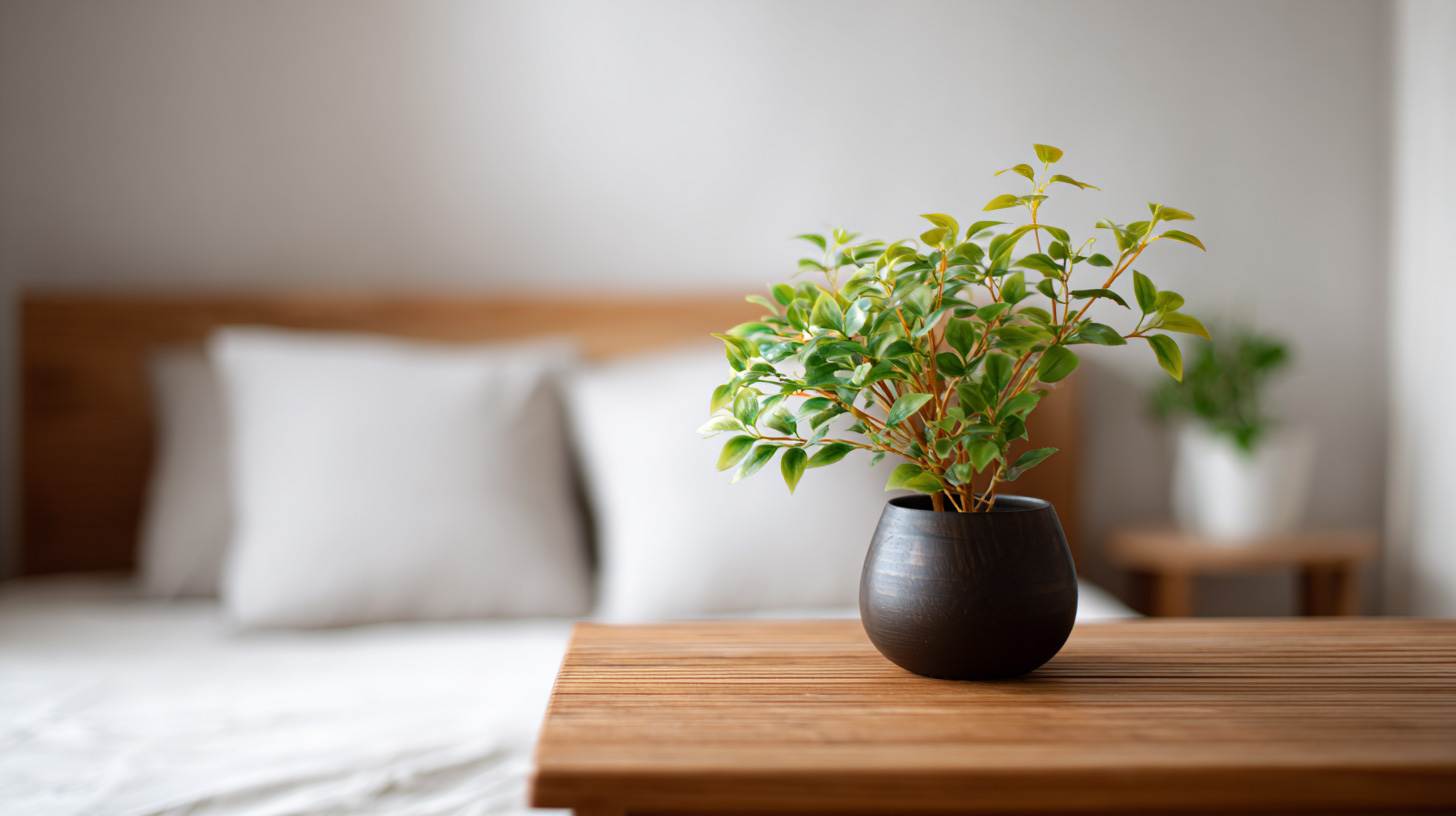
This is one of the most frequently asked questions in beginner feng shui, and the answer is more nuanced than most guides admit. Fake plants are not automatically “bad,” but they do require careful handling. Their impact depends on how realistic they look, how clean they are, and whether they support or block the energy of the space.
At the Feng Shui Mastery Institute, we track questions from new students, and nearly 40 percent ask about fake plants during their first month of study. Many beginners assume that fake plants completely break the rules of feng shui, but that isn’t always the case. What truly matters is whether the plant contributes to a feeling of vibrancy or whether it adds stagnation.
When Fake Plants Are Acceptable
Fake plants can work well in the following situations:
| Situation | Explanation |
|---|---|
| Low-light areas where real plants cannot survive | Hallways, dark corners, and enclosed entryways often cannot support real plants. A realistic, well-maintained artificial plant is more supportive than a dying real one. |
| Homes where allergies or sensitivities prevent real plants | Some students cannot keep real plants due to allergies or mold sensitivity. Artificial plants offer a practical and health-conscious alternative. |
| Spaces that require low maintenance | Rentals, vacation homes, or staged properties may benefit from fake plants that remain consistent over time without frequent care. |
| When the plant looks convincingly real | Modern artificial plants can look natural enough to provide similar visual softness as living wood energy. If it looks vibrant and well-kept, it supports the room. |
When Fake Plants Become Problematic
Fake plants create bad feng shui when they introduce stagnation rather than life.
Avoid artificial plants when:
- They look plastic, faded, or overly shiny
- They collect dust and are rarely cleaned
- They sit in high-energy rooms that need genuine freshness
- They are used in excess
- They replace real plants in spaces where real plants would thrive
Dusty, plastic-looking plants create the opposite effect of wood energy. Instead of supporting growth, they represent stuck or artificial qi.
A simple guideline we teach students is: If a fake plant contributes visually to the room and stays clean, it is acceptable. If it looks lifeless, dirty, or forced, it weakens the space.
The goal is not perfection. It is authenticity and care.
Which is Better – Real Plants or Fake Plants?
Real plants carry natural, living wood energy, which makes them the ideal choice in most situations. They improve air quality, regulate humidity, and create micro-movements that support fresh qi.
That said, real plants also introduce maintenance. A dying or neglected real plant creates worse feng shui than a clean, realistic artificial one.
Each home is different. Your choice should be based on your lifestyle, lighting, and ability to care for the plant.
Flowers vs. Green Plants – What Works Best and Where
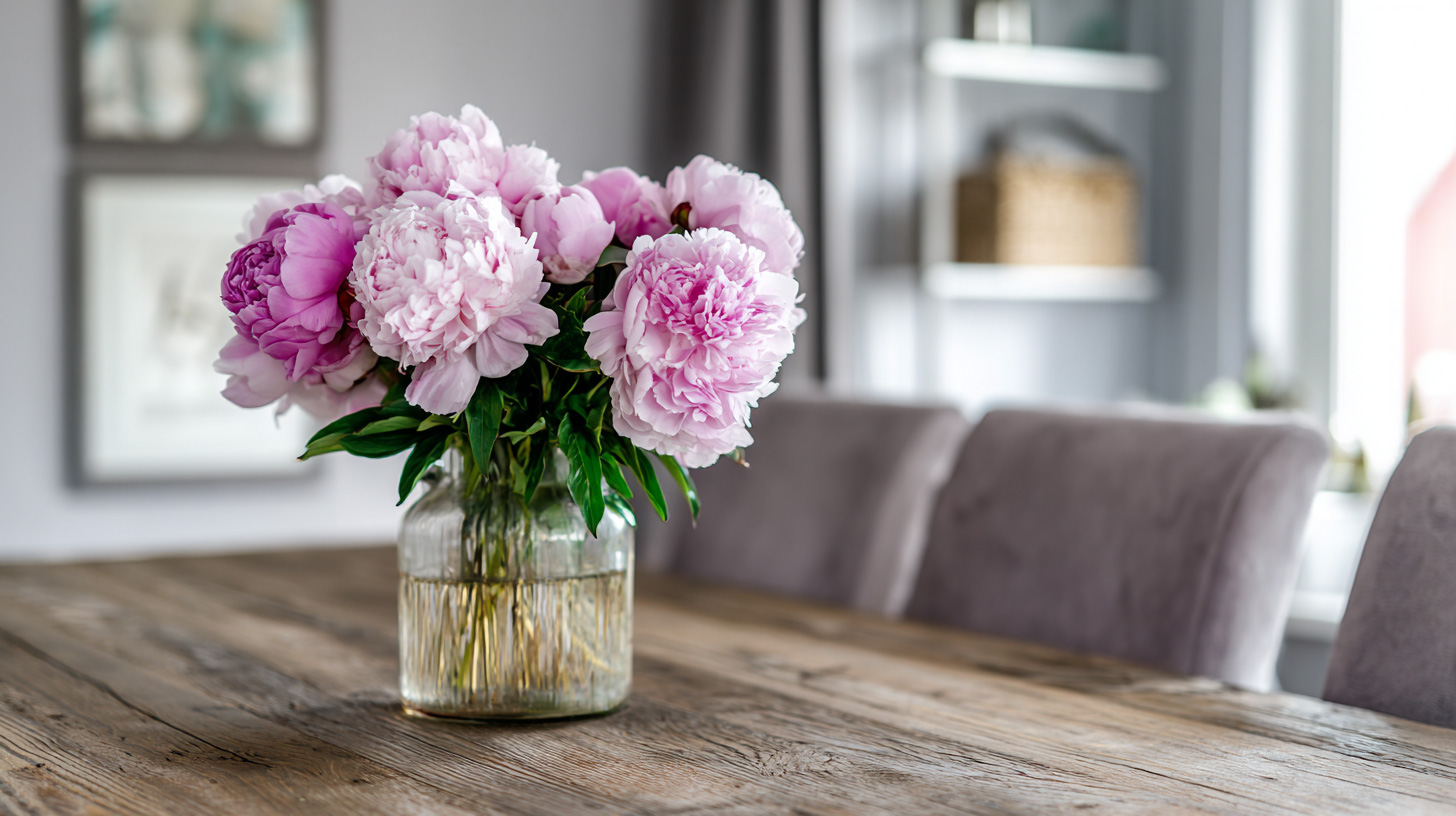
Flowers and green plants both bring wood energy into a home, but they influence the space very differently. Many beginners assume flowers are “stronger” or “luckier,” yet their impact depends on the type of flower, the room they are placed in, and the emotional tone you want the space to carry. Green plants tend to provide steady, long-term energy, while flowers introduce active movement and symbolic meaning.
In our Feng Shui Mastery Institute student feedback, flowers are one of the most misunderstood topics. Roughly 30 percent of beginners overuse flowers in areas where they stimulate too much movement, creating a sense of restlessness instead of harmony. When used thoughtfully, flowers can uplift a room beautifully.
When Flowers Work Best
Flowers carry more dynamic, expressive qi. They are ideal when you want to bring in freshness, vibrancy, or symbolic meaning.
Best places for fresh flowers:
- Living rooms: to brighten the atmosphere and support social energy
- Entryways: to create a welcoming first impression
- Dining areas: to bring warmth and connection
- Creative spaces: to encourage inspiration and flow
Flower types that support feng shui goals:
- Orchids: elegance, creativity, refinement
- Peonies: love, romance, emotional openness
- Cherry blossoms: renewal and new beginnings
- Lotus flowers: clarity and spiritual insight
Flowers should always be fresh. As soon as they wilt, they shift from supportive to draining.
When Green Plants Are the Better Choice
Green plants provide stable, grounded wood energy that supports long-term balance. They are excellent for areas where you want harmony and steady qi.
Best places for green plants:
- Living rooms: for soft upward movement
- Home offices: to balance tech-heavy environments
- Bathrooms: to improve freshness and soften downward water energy
- Entryways: to anchor and welcome qi
- Large corners: to prevent stagnation
Green leafy plants are more calming than flowers and easier to maintain.
Where You Should Not Use Many Flowers
Some rooms become overstimulated when flowers are used as the main source of plant energy.
Avoid too many flowers in:
- Bedrooms: flowers bring yang activity that disrupts rest
- Small offices: flowers can distract the eye and break focus
- Narrow hallways: bouquets create visual noise
- Bathrooms with low ventilation: flowers wilt quickly and create stale qi
Green plants are almost always more suitable than flowers in these areas.
Fresh Flowers vs. Artificial Flowers
If you use flowers, aim for fresh arrangements whenever possible. Artificial flowers can work only if they appear natural, are cleaned regularly, and enhance rather than clutter the room.
Fresh flowers bring a gentle, active energy that artificial flowers cannot fully replicate. But artificial flowers are still acceptable in difficult conditions as long as they do not look faded or dusty.
A Simple Rule for Choosing Between Flowers and Green Plants
Use this guideline to simplify your decision:
- Choose flowers when you want movement, inspiration, or symbolic meaning.
- Choose green plants when you want balance, stability, and steady support.
This rule helps you avoid overstimulating the home with too much floral energy and keeps each room aligned with its purpose.
What to Avoid – Bad Feng Shui Plant Mistakes
Even the best plants can create disruptive energy when they are placed incorrectly, overused, or poorly maintained. Many beginners assume that “more plants equals more good feng shui,” but this is one of the most common mistakes we see in student home audits. Strong wood energy is beneficial in moderation, yet overwhelming when misapplied.
This section outlines the most important plant mistakes to avoid so your efforts support balance rather than block it.
Keeping Dead or Dying Plants
A dying plant represents declining energy. It signals stagnation, heaviness, and unaddressed problems. In our beginner cohort surveys, 1 in 4 students discover they are keeping at least one plant that is beyond revival simply because they “didn’t know what else to do with it.”
Fix: Remove the plant, compost it, and replace it only when you can maintain a healthy one.
Using Too Many Plants in One Room
Too much wood energy creates visual noise and restlessness. This is especially disruptive in bedrooms and calm-focused rooms like meditation spaces.
Signs you have too many plants:
- The room feels busy or cluttered even when tidy
- You feel more stimulated than grounded
- You frequently move plants around to “make them fit”
Fix: Edit the collection. Keep one or two strong, healthy plants and relocate or remove the rest.
Choosing Spiky or Sharp Plants in the Wrong Areas
Plants with pointed or aggressive shapes, such as cacti or snake plants, direct sharp qi into the room. While these plants are fine in small doses, especially in offices or protective areas, they can be problematic in bedrooms, entryways, or living rooms.
Fix: Use round-leaf or soft-leaf plants in high-sensitivity rooms.
Blocking Pathways or Doorways
A plant should never interrupt the natural flow of a room. Blocking pathways is one of the top plant-related mistakes we find in home consultations.
Examples of blocked flow:
- A large palm placed too close to the entry
- Plants cluttering narrow hallways
- A plant that prevents a door from opening fully
Fix: Keep pathways open. If you need to fill a corner, choose a slim, vertical plant rather than a wide, bushy one.
Using Overgrown Plants That Take Over the Room
When plants become oversized for the space, they overpower the room’s energy and visually dominate the environment.
Fix: Prune the plant, move it to a larger room, or replace it with a more appropriate size.
Letting Dust Build Up
Dust stops qi from circulating. This applies to both real and artificial plants. The moment leaves become dull, the plant’s contribution to the room becomes weaker.
Fix: Wipe leaves every few weeks or mist them to refresh their appearance.
Placing Plants Next to Strong Fire Elements
Plants struggle energetically when placed beside ovens, fireplaces, or heaters. The clash of wood and fire elements creates imbalance and visual tension.
Fix: Leave a comfortable buffer zone or choose earth-based decor near fire sources instead.
Using Plants in Damp or Mold-Prone Areas
If a bathroom, laundry room, or basement struggles with humidity or limited airflow, the plant will suffer and bring that same depleted energy back into the home.
Fix: Choose humidity-friendly plants or place plants only in well-ventilated areas.
How Many Plants Should You Have?
One of the most common questions beginners ask is how many plants a feng shui home actually needs. Too few plants leave a room feeling flat or dull, while too many overwhelm the energy and create visual heaviness. The ideal balance depends on the size of the space, the room’s purpose, and the natural lighting available.
In Feng Shui Mastery Institute home audits, we’ve found that the “right amount” is typically less than most people expect. Roughly 60 percent of students begin with too many plants, especially after discovering how supportive wood energy can be. Once they reduce the number and place plants more intentionally, they often report that the home feels calmer and more harmonized.
General Guidance for Most Homes
- Small rooms (bedrooms, small offices, compact living rooms): One to two plants is usually ideal. These rooms benefit from gentle, steady energy rather than creative stimulation.
- Medium rooms (average living rooms, dining areas): Two to three plants work well. Choose one anchor plant and one or two smaller supporting plants.
- Large rooms (open-plan spaces, large lounges, spacious entryways): Three to five plants is typical. These rooms can hold more upward energy without becoming chaotic.
Bedrooms Need the Least Plants
Because bedrooms require calm, restorative energy, avoid adding more than one plant unless absolutely necessary. Too much wood energy interferes with sleep by introducing upward movement.
Best bedroom formula: Zero to one medium plant, or two very small plants.
If you feel tempted to place a large leafy plant in the bedroom, move it to the living room instead. Bedrooms thrive with simplicity.
Offices and Creative Spaces Can Handle More
Home offices need mental clarity and motivation. Plants help soften the room and counteract screens and electronics, meaning they can support a slightly higher number than bedrooms.
Office formula: Two plants total – one near the desk, one in a softening corner.
Large clusters of plants, however, reduce focus and create distraction.
Balancing the Right Number of Plants
A room’s energy can shift dramatically based on how many plants you use. Too many can feel chaotic, and too few can feel lifeless. This table gives a quick snapshot to help you decide whether your space needs simplification or a little extra wood energy.
| Signs You Have Too Many Plants | Signs You Have Too Few Plants |
|---|---|
| The room feels visually busy | Lifeless or emotionally flat |
| You’re constantly repositioning plants to “make them fit” | Cold or overly minimal |
| Corners feel crowded | Empty in the corners |
| Surfaces become cluttered with pots | Too dominated by metal or fire elements |
| You feel restless in the room | Low in natural light or vitality |
The best rule of thumb is to use the number of plants that supports the room’s purpose, not the number that fits aesthetically. This keeps the energy aligned with how you want the space to feel.
Quick Beginner Setups (Three Simple Layouts)
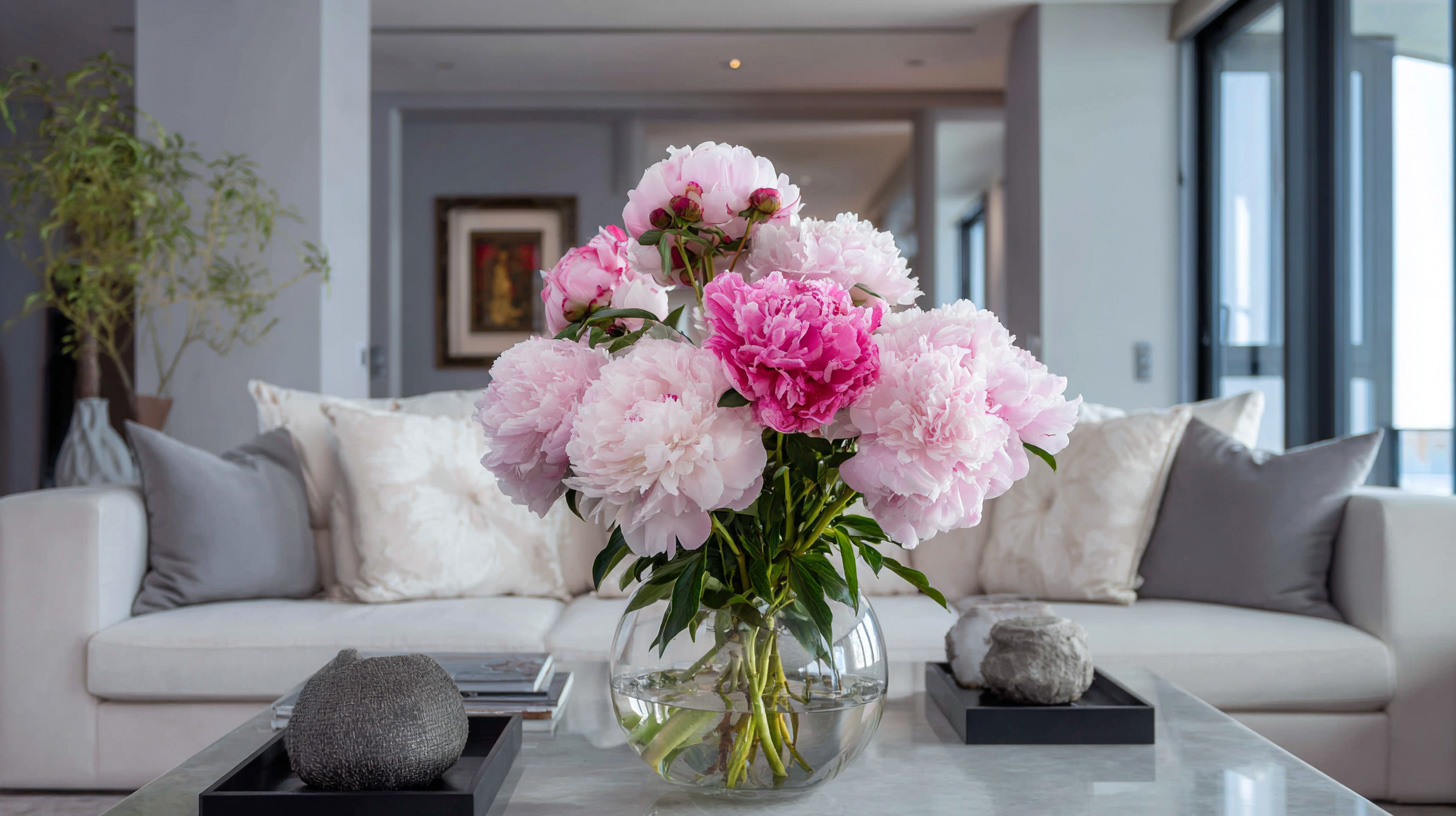
One of the fastest ways to apply feng shui with plants is to follow a simple layout designed to activate the right energy without overwhelming the room. These beginner-friendly setups are based on home audits we regularly conduct at the Feng Shui Mastery Institute. They work especially well for people who are just starting to explore feng shui and want clear, actionable steps.
More than half of new students say that following just one of these plant layouts made their space feel “more balanced within a day.” Each setup below gives you structure while allowing for your own style and plant preferences.
Balanced Living Room Setup
A balanced living room setup focuses on improving flow, softening hard lines, and reducing visual stress.
Start by placing a medium or tall plant in a corner that feels empty, heavy, or overly sharp, since this anchors the room and lifts stagnant energy. Plants like an areca palm, parlor palm, or a larger jade plant work particularly well here.
Next, use a smaller plant near the sofa to soften edges and make the seating area feel more welcoming; a peace lily or pothos is ideal for this. If the room is medium or large, you can add a small accent plant on a coffee table or side table, but in smaller spaces it’s better to skip this step to avoid clutter.
This arrangement creates a balanced upward movement, eases harsh visual lines, and supports a calm, friendly social atmosphere without overwhelming the space.
One-Plant Bedroom Setup
A one-plant bedroom setup is designed to support rest, grounding, and emotional calm without introducing unnecessary stimulation.
The idea is to choose a single healthy plant and place it in a low-activity area, such as on a dresser, a window ledge, or in a far corner that isn’t close to the bed. Plants that work well here include a peace lily, a small snake plant used sparingly, or a very small trailing vine.
It’s best to avoid large or visually dominant plants, anything positioned near the pillow area, or varieties that create noticeable movement or draw the eye while you’re trying to sleep.
A minimalist approach such as this adds just enough gentle wood energy to refresh the room while keeping the overall atmosphere quiet and restorative, which is exactly what a bedroom needs.
Money Corner Activation Setup
A wealth-area plant setup is all about supporting financial flow and creating an environment that feels open to opportunity.
To place it correctly, start by locating the wealth area of your home – stand at your front door facing inward, and the far left corner represents this zone. Once you’ve found it, choose a symbolic plant that embodies upward growth and prosperity, such as a money tree, jade plant, lucky bamboo, or even a healthy flowering plant like an orchid.
You can add a secondary support element if you like, such as a natural wood object, a warm-toned accent, or a piece of artwork that subtly reflects abundance, but keep this optional and minimal.
The most important step is keeping this area clean, uncluttered, and free from dust or broken décor, since clutter weakens the energy no matter how perfectly the plant is placed.
This approach works because plants naturally symbolize growth, and when positioned in the wealth area of the Bagua, they reinforce themes of expansion, opportunity, and steady progress.
Bringing Plant Energy Into Your Home
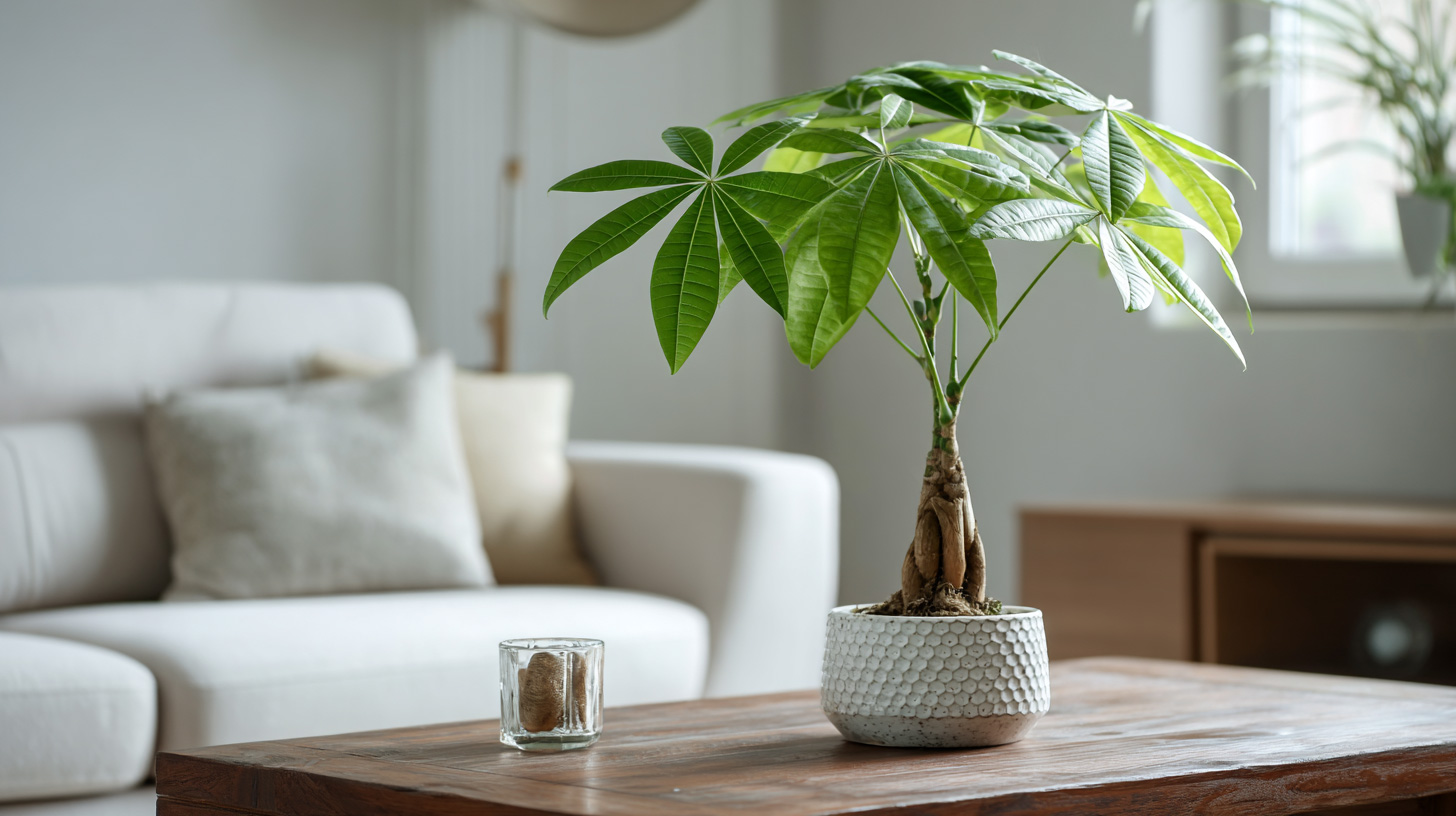
Plants are one of the most accessible ways to shift the energy of your home. They bring movement, vitality, and a sense of natural balance that supports both your environment and your daily routine.
When placed intentionally, they help lift stagnant spaces, soften harsh corners, and create rooms that feel healthier and more aligned with the purpose of the space.
At the Feng Shui Mastery Institute, we see a consistent pattern among students. The moment plants are used thoughtfully – not excessively, not randomly, but with clarity – the home begins to feel more grounded and more emotionally supportive.
In fact, in end-of-course surveys, nearly 70 percent of students say that learning how to choose and place plants correctly was one of the most transformative parts of their feng shui practice.
As you apply the principles in this guide, remember:
- Healthy plants bring healthy qi
- Thoughtful placement matters just as much as the plant itself
- Fewer plants used intentionally create better results than many used without purpose
- The right plant can shift the feeling of a room in minutes
If you want to deepen your feng shui knowledge and learn how to work with the full Bagua, the five elements, room-by-room energy patterns, and layout corrections, you are invited to join our Feng Shui Certification Course.
It is 100 percent online, self-paced, and designed for beginners who want to understand feng shui with confidence and clarity. Many of our graduates go on to use their certification to help clients, improve their design work, or simply transform their own homes at a deeper level.

